
How to Choose the Right 3D Printing Material for Your Project
How do you choose between PLA, PETG, resin and engineering materials? A simple guide that links a 3D printing material to heat, durability, detail and use.
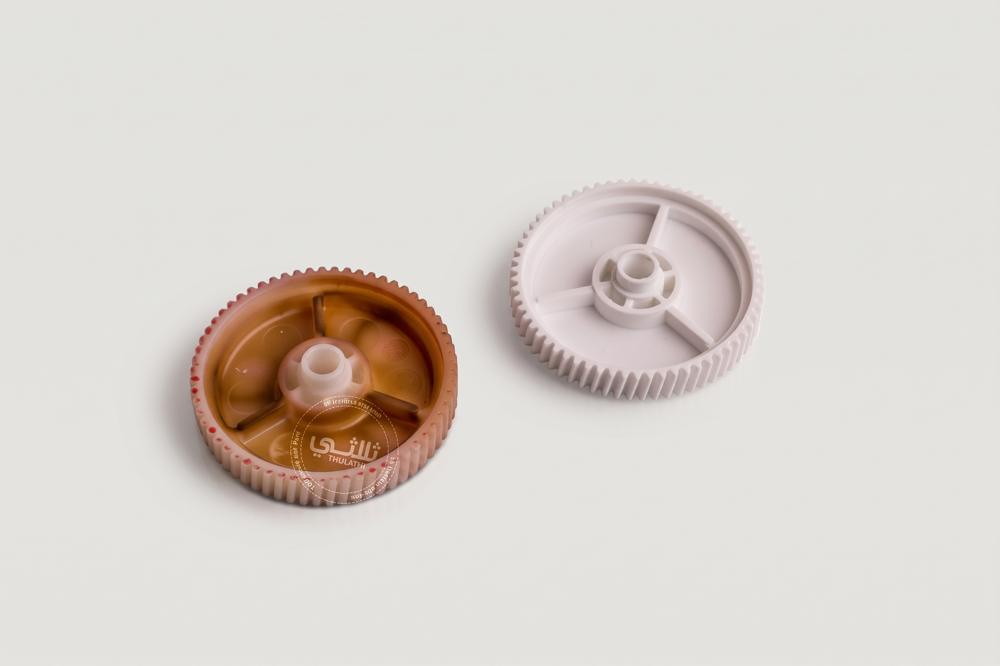
Choosing a 3D printing material starts with what the part does and the environment it will be used in. Ask about heat, loads, friction, sun exposure and the level of detail before choosing a color. No single material is the best for every model, spare part and gift.
When PLA suits you
PLA is widely used for visual models and indoor display pieces that are not exposed to harsh operating conditions. It can be suitable when the priority is appearance, cost and how easily the model is produced. But a part inside a closed car or near a heat source changes the selection requirements, so do not judge suitability by how good it looks alone.
When to consider PETG and engineering materials
PETG can be an option for some functional parts that need higher impact or heat tolerance than typical PLA applications. Outdoor exposure, continuous friction or special requirements may call for other materials, such as ASA or some types of nylon, depending on the material data and the production capabilities. The availability of a material with the manufacturer needs to be confirmed before it is approved.
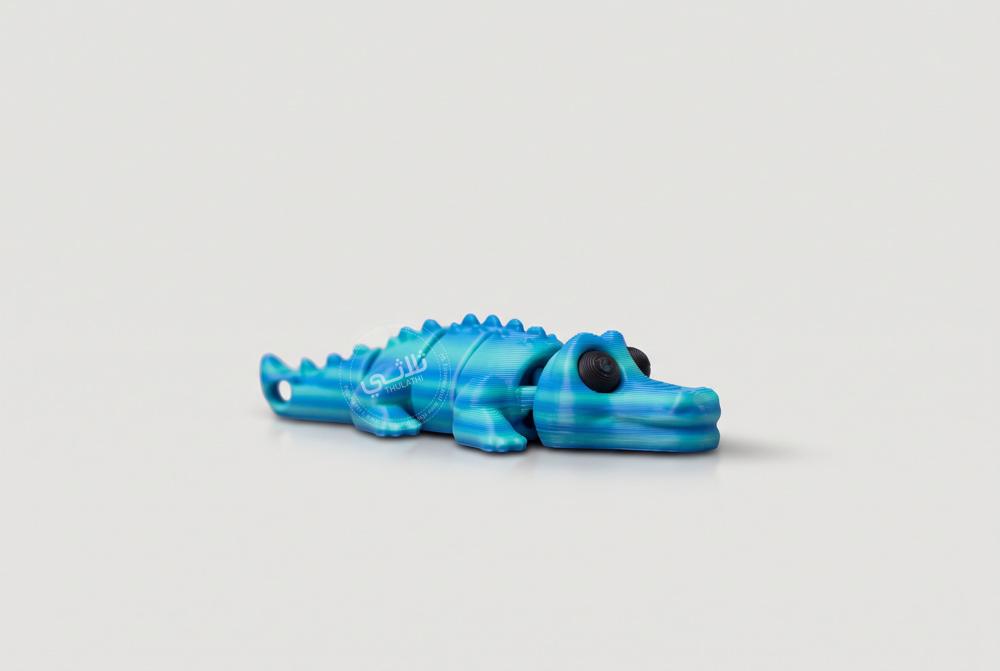
Is resin stronger than plastic filament?
Resin is a family of materials with different properties, not a single grade of strength. Resin printing is considered when small details and surface quality matter, but durability depends on the type of resin, the post-processing and the use. Likewise, adding fibers to a material does not mean it will withstand every load; the required property must be reviewed specifically.
The shape of the part is part of the material decision
A part designed with a weak wall or a corner that concentrates stress may fail even with a suitable material. Layer direction, fixing points and load distribution affect the result. When making a cover, a holder or a part that fits inside a device, it helps to test a sample before approving the quantity, assessing the fit and durability under the agreed conditions of use.
The information that helps you choose
State whether the part is for display or for work, the expected temperature, the nature of the load, whether it needs flexibility or rigidity, and which materials it will touch. Also send the dimensions, the quantity and a photo of the place where it will be fitted, if any. Ask for the material data sheet to be reviewed when there is a specific performance requirement, and do not infer suitability for food or medical use from the name of the material alone.
Frequently asked questions
Does color determine strength?
No; the reference is the type and grade of the material, the production method and testing.
Can the part be painted?
A suitable finish can be considered, taking into account its effect on the dimensions and the required surface.
Should I choose the material before sending the design?
You can state your preference, but it is better to review the design and the use together.
Discuss the use with Thulathi
Send the idea of the part and the environment it will be used in to Thulathi. We review the project requirements and discuss the available production options before the material and finish are approved.
Further technical reading
Related articles
 3D printing
How Much Does 3D Printing Cost in Saudi Arabia, and What Sets the Price?
Read the article → 3D printing
Making Plastic Spare Parts with 3D Printing: When Is It Suitable?
Read the article → Prototypes
Making a Product Prototype: How to Test the Idea Before Ordering a Quantity
Read the article →Ready to start your project?
Send a file or a photo with clear details.