
Making Plastic Spare Parts with 3D Printing: When Is It Suitable?
When can a plastic spare part be made with 3D printing? Learn about measurements, material choice, fit testing and the limits of use before production.
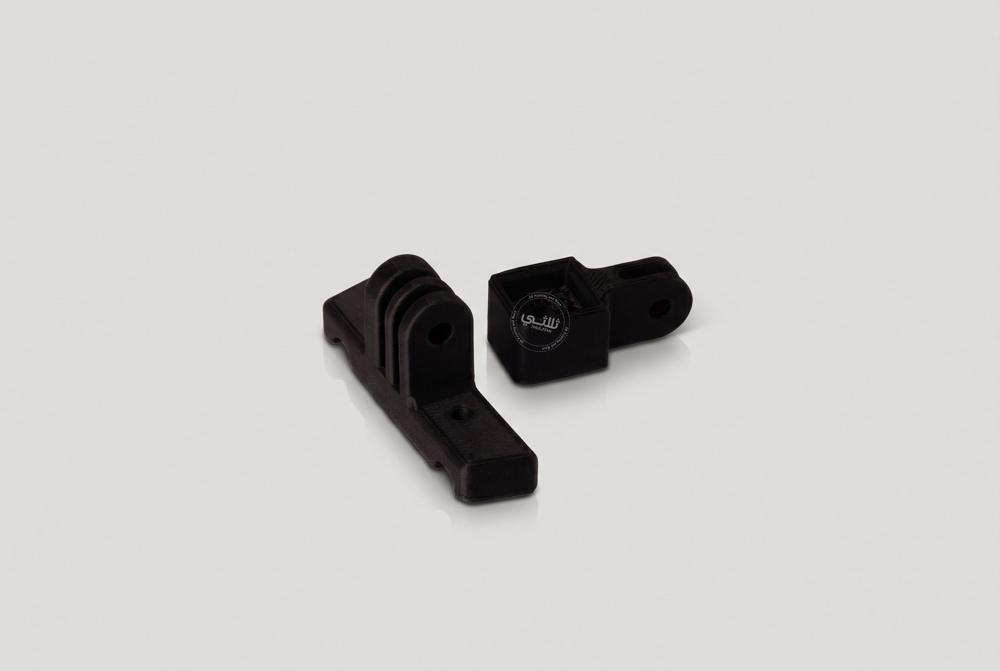
3D printing may be suitable for making some unavailable plastic spare parts, such as covers, handles and mounting brackets, after reviewing the function of the part and its operating environment. A similar shape to the original does not mean identical performance; the material, the production direction, the dimensions and testing are essential in assessing a replacement.
Start by understanding why the part failed
Did it break because of an impact, a repeated load, heat, or a weak fixing point? Reproducing the same shape without understanding the cause may bring the problem back. Photograph the place where it is fitted and the surrounding parts, and state how the part is used, how many times it is operated, and any friction, bending or exposure to chemicals.
What if the design file is not available
A model can be studied from an original part, or from clear measurements and photos. Fitting areas, holes and the distances between centers need special care. If the part is broken, keep all its pieces; they may help in understanding the shape before the break. Photos alone do not give reliable measurements for every side and cavity.
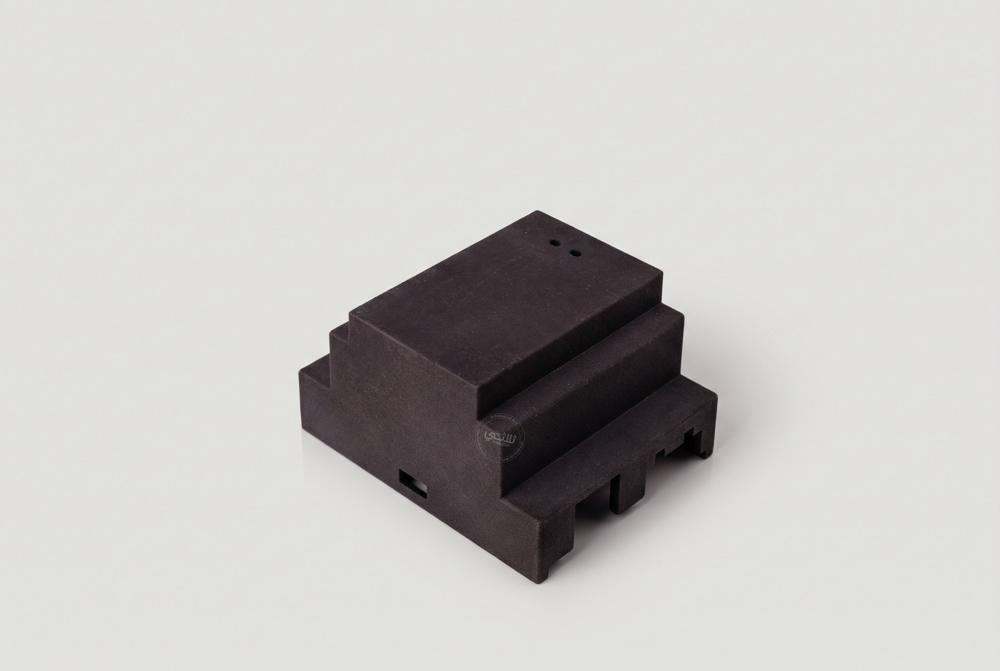
Material and design work together
The replacement is chosen according to the requirements, not according to the color of the original part. The fixing areas may also need a change in thickness, added reinforcement or a different production direction. For interlocking parts, clearance and manufacturing tolerances must be considered; copying the nominal measurement alone may produce a part that does not fit or does not move as required.
Why start with a single sample
A sample allows the size, the fit and the motion to be tested before ordering several parts. After that, performance is assessed under specific, agreed conditions of use. Keep the design version number, the test date and the notes so that a quantity is not produced from an earlier version. The assessment may also show that another production technique is more suitable than printing.
Limits to define before production
Parts linked to safety, high loads, pressure or electrical insulation need an engineering assessment and suitable testing. Do not treat an experimental part as an approved replacement just because it fitted. Explain the whole use to the manufacturer, and ask them to state what they can verify and what requires a specialized body.
Frequently asked questions
Can a broken part be copied?
This can be studied if its shape can be inferred and its main areas measured.
Is a printed part stronger than the original?
That cannot be asserted without knowing the material, the design and the test conditions.
Is making a single part possible?
A single-part request can be assessed, with the design cost kept separate from the cost of remaking it later.
Send the part to Thulathi for an initial assessment
Share its photos, dimensions, function and where it is fitted, and state any performance requirements. This helps determine whether a replacement can be developed, and the measurement and trial steps before production is approved.
Further technical reading
Related articles
 3D printing
How to Choose the Right 3D Printing Material for Your Project
Read the article → Prototypes
Making a Product Prototype: How to Test the Idea Before Ordering a Quantity
Read the article → 3D printing
How Much Does 3D Printing Cost in Saudi Arabia, and What Sets the Price?
Read the article →Ready to start your project?
Send a file or a photo with clear details.